
Our daughter took her first steps on Sunday 25th October. We were all playing on the floor in the living room as she quietly took herself towards the sofa and pulled herself up for her usual sideways scooting action along the cushions. Yet this time she turned around and leant back, standing for a while, looking at her Dada. She steadied herself and launched forward with a look of determination, right, left, right, tumbling with glee into Gav’s arms. We all screeched with excitement “again again again” as the Teletubbies say. She quickly crawled back to the same starting place, over and over. She had of course already experienced the rhythmic movement of walking in my womb, lulling her to sleep in the day then waking up with the flutter of kicks and punches as I lay down to sleep at night. And after she was born she would snuggle into my chest in the sling as we ventured out and about, often falling asleep to my wandering motion. Later when she was able to hold her head up she faced front in the sling, eagerly following the dog around the park each day, reaching out to touch leaves and bushes, little legs dangling and kicking about below. At home, in her own time she started to pull herself up to stand against the sofa, scoot sideways, and eventually push a little trolley with books and toys back and forth from the living room to the kitchen, banging into anything that got in her way. Next she braved standing unaided, balancing and waving the TV remote controls like a conductor. And finally, at 11 months old she plucked up the courage to put one foot in front of the other, toddling, turning, tumbling, repeat.
The next day marked the third week of PhD study since returning from maternity leave. I had set an intention to focus on the interrelationship between walking, writing and reading, re-engaging the physical, emotional and cognitive muscles that connect these practices, now with the added lens of motherhood. Like my daughter learning to walk for the first time, there are many firsts for me in this new chapter. I am learning how to balance my PhD and being a mother, and how motherhood impacts and influences my practice research.
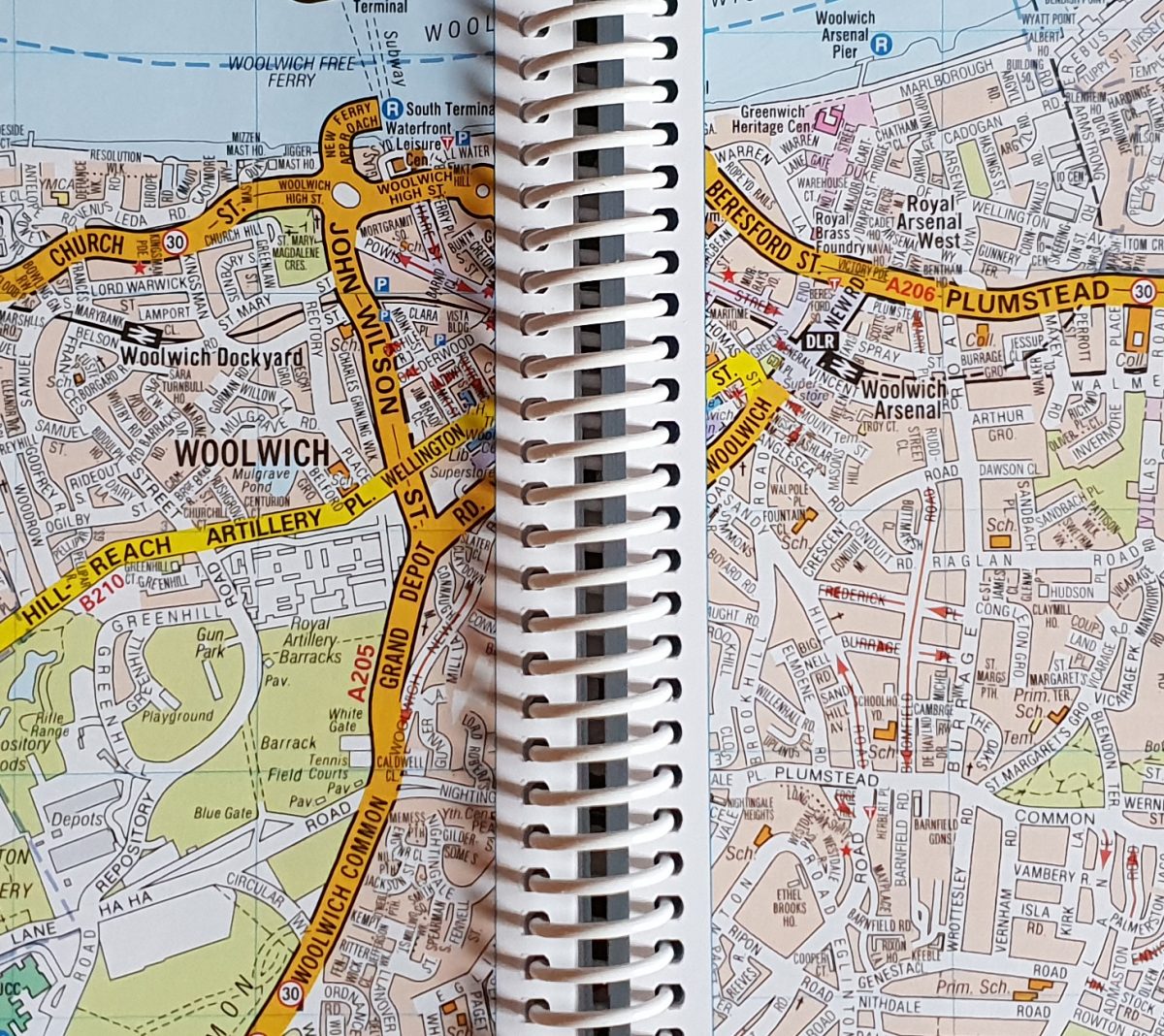
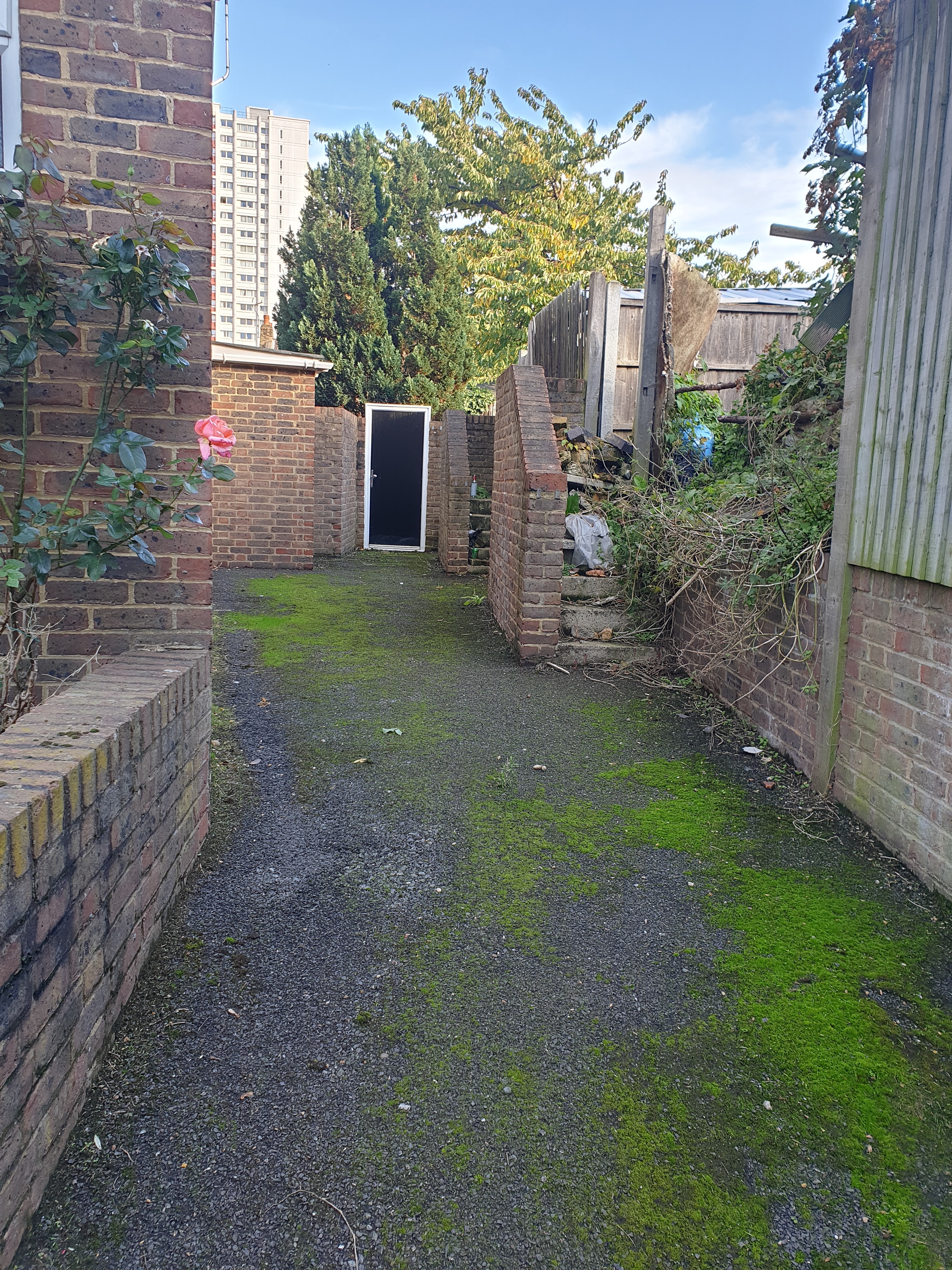
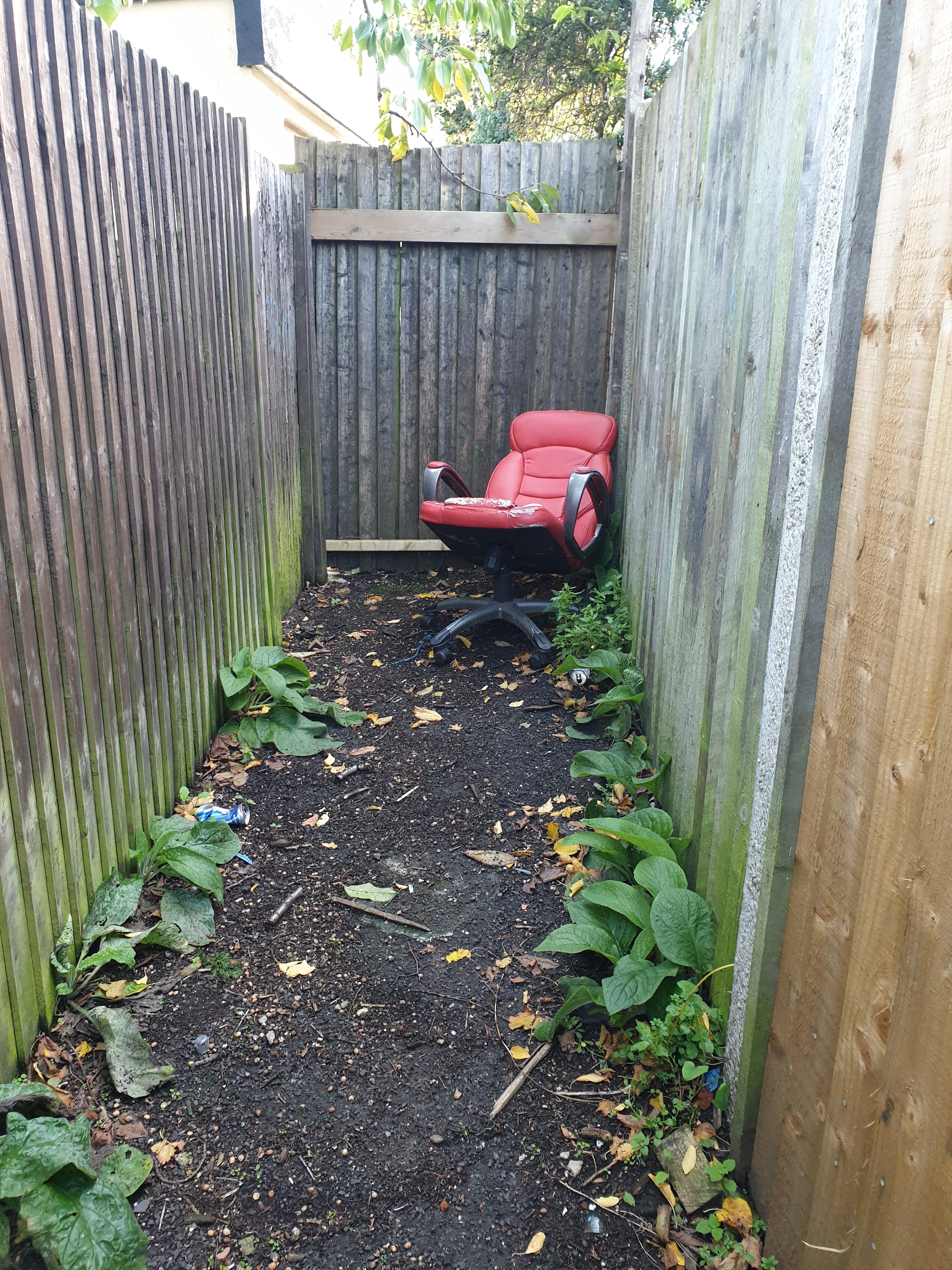
And so I started the week with a solo walk to Bloomfield Road and Brookhill Road and discovered some smaller roads, paths and cut throughs that I hadn’t taken before. Notable finds were: a multitiered mews of terraced houses off Raglan Road that created an intimate performance space (pictured); trespassing through the carparks and grounds of two old Victorian schools, now converted into housing; and two large, dramatic, steep stairwells connecting Brookhill Road to Elmdene Road and Sandy Hills Road.


A quick on-the-hoof Google search of the stairwells off Brookhill Road led me to discover an online reference to the 500 page Survey of London Volume 48: Woolwich (Guillery, 2012), prompting a trip to my local library’s local history section.
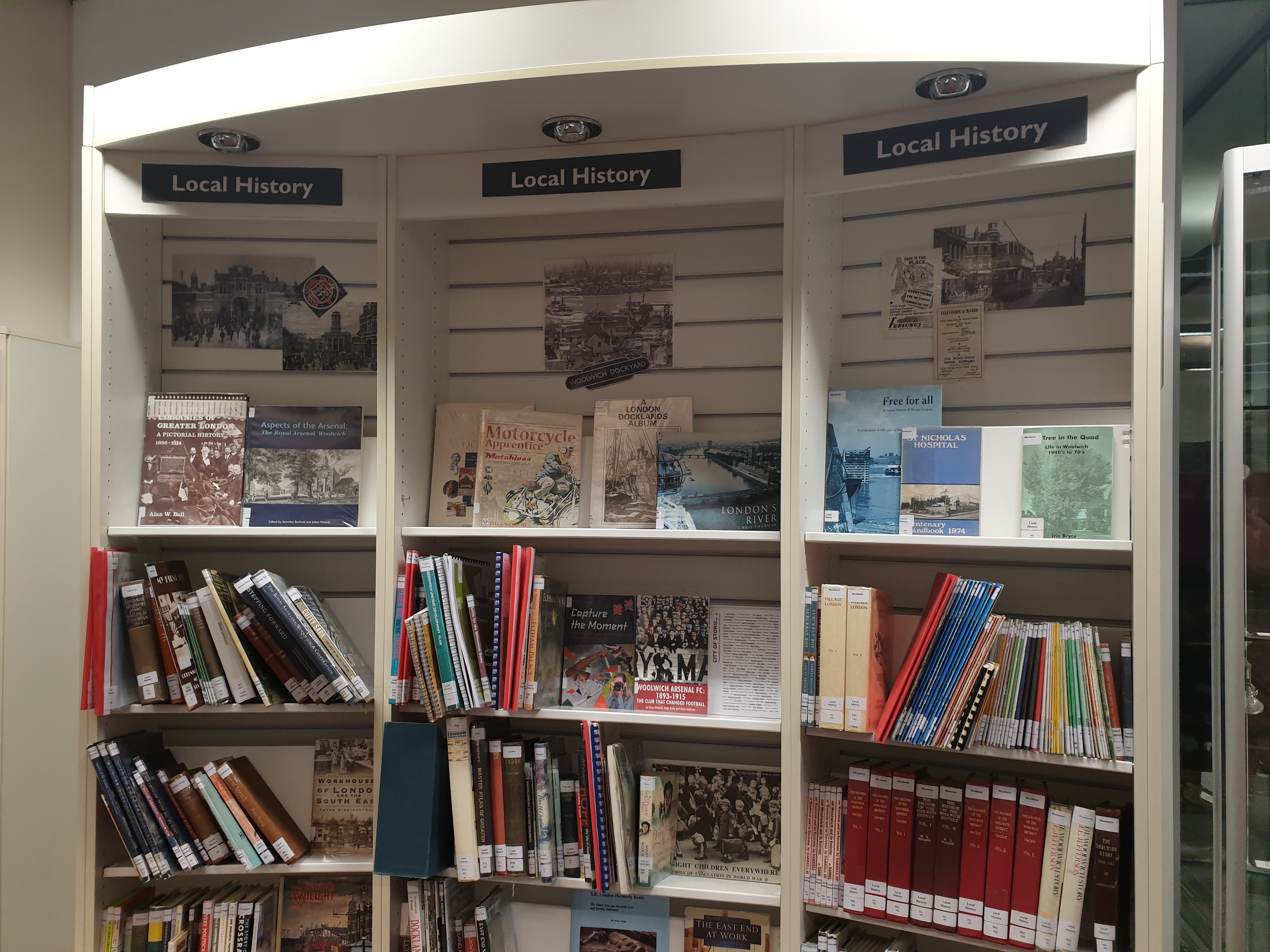
And so walking turned into reading; wide eyed like a kid in a candy shop, I flicked through Guillery’s comprehensive history of Woolwich people and place excited at the prospect of unearthing stories and context to embellish my lens of Woolwich. Later in the week I also started reading the introductions to two books this week, Ways of Walking: ethnography and practice on foot edited by Tim Ingold and Jo Lee Vurgunst (2008) and Walking, Writing and Performance: autobiographical texts by Dierdre Heddon, Carl Lavery and Phil Smith edited by Roberta Mock (2009).
And so, this leads me to writing on this blog for the first time since February 2019. Neglected but not forgotten, the blog was deprioritised as I fell pregnant in March 2019, just as I was undertaking a five-week artist residency, TOURIST 1 at Clarence Mews. The fatigue and the need for a greater attention to self-care for me and my daughter who was growing inside me took priority. While the blog was silent, I was still wandering the streets of Woolwich, meeting new people and groups, reading and writing in other mediums. Walks were usually followed by an afternoon nap. One of my walks took me to Woolwich Common Community Centre where I met a group of Vietnamese women who I went on to lead dance sessions with weekly until September 2019.
In these months before maternity leave instead of writing for the blog, I was writing two PhD forms that are key milestones for progress; an expanded research proposal document that sets out the rationale for the research, literature review, aims and outcomes and what new knowledge my project will contribute; and an application to Ethics Committee setting out the intended research design and ethical considerations for working with people. Both processes were helpful in some ways but raised significant challenges in trying to avoid feeling fenced-in by commitments of what I would do, when, how and with whom. I want to work in a responsive, intuitive and projective way that isn’t shackled by a prescriptive research design. I think, in the end I found a compromise whereby the outcomes from an initial phase of ethnographic fieldwork in Woolwich in 2021 would mark a pause in the project before planning the next stage of unravelling, evolving, artistic practice with Woolwich residents. The final focus before taking maternity leave in October 2019 was composing a short essay on walking; flanerie; walking and pausing as acts of care; care, caring and ethics of care – Perhaps they will be published later.
In bringing this to a close, I go back to my quote of the week from Rebecca Solnit in Wanderlust: A History of Walking (2014):
“Walkers are ‘practitioners of the city,’ for the city is made to be walked. A city is a language, a repository of possibilities, and walking is the act of speaking that language, of selecting from those possibilities. Just as language limits what can be said, architecture limits where one can walk, but the walker invents other ways to go.”
I am left contemplating the constantly shifting practice and possibilities of this PhD. After talking to PhD friends Sara and Paul about this on Friday, I am reminded to prioritise the practice and not be distracted by the PhD logistics. I am thinking about walking as a catalyst, about Woolwich as a repository of possibilities, about being a walker-practitioner-artist who is inventing ways of of going, thinking and being. But mostly I am thinking about my daughter finding her feet and creating her own way of wandering…and how excited I am for us to wander together.
Foot notes
- The residency responded to my feelings of being a tourist in my neighbourhood.
References
Guillery, P. (ed) (2012) Survey of London Volume 48: Woolwich. New Haven and London: Yale University Press
Ingold, T. and Vergunst, LJ. (eds.) (2008) Ways of Walking: Ethnography and Practice on Foot. Farnam: Ashgate
Mock, R. (ed) (2009) Walking, Writing Performance: autobiographical texts by Dierdre Heddon, Carl Lavery and Phil Smith. Bristol: Intellect
Solnit, R. (2014) Wanderlust: A History of Walking. Granta

 woolwich wandering